
Blog
See where Early Warning Labs has been covered in the press, learn about recent installations protecting organizations like yours, and find the resources you need to understand effective emergency preparation and early warning technology.

Schools are setting safety plans for fall. Most still don’t have earthquake early warning connected.
School districts across California, Oregon, and Washington finalize their safety plans over the summer. Budgets get approved and emergency binders get updated. By August, the plan [...]

New research shows the Cascadia and San Andreas faults could rupture together. Here’s what that means for your facility.
Oregon State University research found the Cascadia subduction zone and San Andreas fault have ruptured together at least three times in 1,500 years. Here's what that means for facility operators on the West Coast.

The earthquake warning system market is worth $225 million. Here’s why most facilities still aren’t connected.
The earthquake early warning market is growing, but most commercial facilities, hospitals, and schools still rely on phone alerts alone. Here's what's keeping them from connecting to automated systems that can act in seconds.

San Francisco is spending $535 million to earthquake-proof its emergency infrastructure. Here’s what that should tell every facility operator.
San Francisco's $535M ESER 2026 bond reveals how vulnerable first-responder buildings are to earthquakes. What facility operators should learn from it.
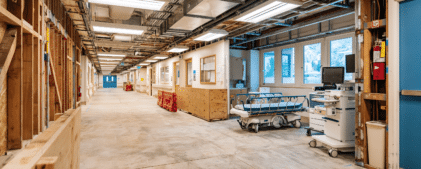
California’s hospital seismic deadline is less than four years away. Most hospitals aren’t ready.
Only 45% of CA hospitals are on track for 2030 seismic compliance. What SB 1953 means for hospital operators and why early warning matters.
California Is Spending More on Earthquake Preparedness While Federal Funding Disappears. Here’s What Facilities Should Know.
California is expanding earthquake early warning while FEMA shrinks. For facility operators, the math is simple: state systems work, federal backup may not be there.