
Updates, Resources, and Early Warning Labs in the News
See where Early Warning Labs has been covered in the press, learn about recent installations protecting organizations like yours, and find the resources you need to understand effective emergency preparation and early warning technology.
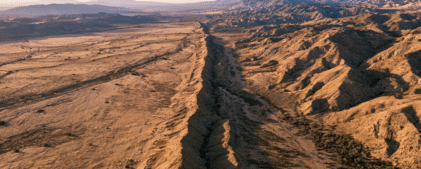
The San Andreas just hit its highest stress level in 1,000 years. Here’s what that means for facilities in Southern California.
A new study from the University of Hawaiʻi at Mānoa found that tectonic stress along the San Andreas and San Jacinto fault systems in Southern California [...]
The new head of ShakeAlert spent 30 years studying earthquakes in Alaska. Here’s what she’s focused on now.
Dr. Natalia Ruppert left Alaska after 30 years of seismology to lead the USGS ShakeAlert program. Her focus on automated facility response signals where earthquake early warning is headed.

Schools are setting safety plans for fall. Most still don’t have earthquake early warning connected.
School districts across California, Oregon, and Washington finalize their safety plans over the summer. Budgets get approved and emergency binders get updated. By August, the plan [...]

New research shows the Cascadia and San Andreas faults could rupture together. Here’s what that means for your facility.
Oregon State University research found the Cascadia subduction zone and San Andreas fault have ruptured together at least three times in 1,500 years. Here's what that means for facility operators on the West Coast.

The earthquake warning system market is worth $225 million. Here’s why most facilities still aren’t connected.
The earthquake early warning market is growing, but most commercial facilities, hospitals, and schools still rely on phone alerts alone. Here's what's keeping them from connecting to automated systems that can act in seconds.

California’s seismic network is 95% installed. Here’s what the last 5% means for coverage.
More than 95% of California's ShakeAlert seismic network is installed. The remaining stations, due by December 2026, fill coverage gaps in rural and remote areas that affect warning times for the entire state.